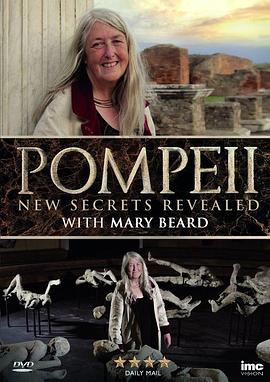
Professor Mary Beard, renowned classicist and TV historian, is to explore what life was like in one of the world’s most extraordinary and iconic archaeological sites, in Pompeii: Life Before Death, a new landmark programme for BBC One. Mary Beard – a world Pompeii expert and author of Pompeii: Life Of A Roman Town – will be joining an international team as they bring the very latest technology to bear on this most extraordinary of archaeological sites. Mary Beard says: “This is a really exciting chance to find out more about the ordinary people who lived in ancient Pompeii. It's a once in a lifetime opportunity. I'm hoping we're going to unlock some if the secrets about who the people were.” For the first time, a team is CT scanning and fully investigating the world-famous casts of the bodies to analyse the skeletons trapped within, to ascertain all they can about who they were, where they came from and how they lived. A team is also conducting DNA analysis of the bodies for the first time. Elsewhere, the documentary will follow the work of recovering damaged frescoes and mosaics, the excavation and rebuilding of certain key buildings and the organisation and cataloguing of the thousands of astonishing artefacts in the storerooms – from loaves of bread to pet monkeys, paint pots to purses. It will shine a light on the work of archaeologists who are exploring the third of the town that has never been excavated, and will present a unique first look at the complete Pompeii in stunning CGI. Using the evidence gleaned from all this research, the BBC One film will piece together a full picture of daily life in Pompeii before the town was destroyed by the eruption of Vesuvius in AD79.
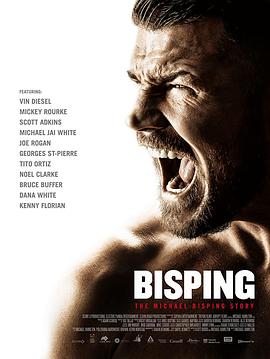
His passion for combat sports wasn't keeping him alive so survival mode kicked in for Michael and he was forced to take normal jobs, including working in factories, slaughterhouses, demolition companies in addition to working as an upholsterer, postman, tiler, plasterer, and salesman. In his later years though, Michael's career as a UFC fighter would take off and he would become one of the sports fan favorites, but with any combat sport comes the shrapnel of getting kicked and punched in the face on a nightly basis. In a controversial fight against the steroid-induced Victor Belfort, the unthinkable would happen to change the course of Bisping's life forever. He would suffer a detached retina from a blow and kick to the head that would disfigure and scar the fighter forever, threatening to end a career he has sacrificed everything for. With a wife and kids that love him, they plead for the battered and bruised fighter to hang up the gloves, as they feel he has nothing left to prove. But in the end that decision is left to only one man: Michael Bisping.
申东赫1983年11月19日出生在朝鲜的再教育营,他一出生就是一名政治犯。他的父母是两名得到当局允许而结婚的囚犯。申东赫在14号收容所——实际上是死亡集中营——里度过了整个童年和青年时期。他从6岁起就被迫劳动,忍饥挨饿,遭受狱警残酷的殴打和折磨。他对铁丝网外面的世界一无所知。 直到23岁,他才在一个老囚犯的帮助下设法逃脱。用了几个月的时间,他途径朝鲜和中国,最终抵达韩国,在那里他遇到了一个他完全陌生的世界
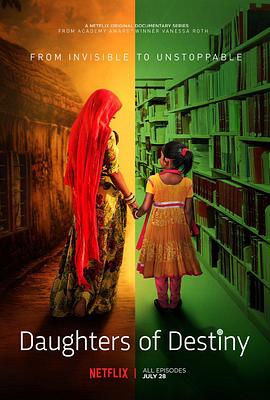
Netflix四集纪录片,五个来自印度最低种性的女孩,在一家为她们提供14年免费教育(2年学前+12)的住宿学校的成长过程。 算了一下,断断续续拍了八九年,有的从学前班跟拍到初中,有的从初中跟拍到进入社会工作。这所叫做Shanti Bhavan 的学校,创办人是一个美籍印度商人,在49岁的时候,也就是1997年,决定回到印度,为当地最穷的家庭建一所学校。这些有机会获得免费教育的孩子,有一个责任,那就是找到工作后,必须帮助自己的家庭和社区,而不是一走了之。 这些孩子的成长是充满了矛盾的,不断在安全稳定的学校和贫困的家庭环境中转换,在现代价值和印度传统价值中挣扎,从而塑造一个独立的自我。虽然是免费教育,对于这些家庭来说,要相信自己的孩子,在14年,甚至17年(加上3年大学,也是由这所学校支付学费)后可以帮助改善家庭,也是一个漫长的投资。虽然印度很穷,充满不平等,还有各种让人觉得匪夷所思的风俗,(比如其中一个女孩,她的祖母一直等着她长大嫁给她的儿子,也就是女孩的叔叔。因为有了接受教育的机会,女儿拒绝了祖母的要求,现在她已经成为一名记者,出了一本书),但在印度,民间可以专心办一所这样的学校,除了经费,不用担心其它,可以让这些孩子的教育过程不被中断。这所学校是混合教育,之所以纪录片把镜头对准女孩,是因为她们除了种姓,还要面对性别带来的不公平。
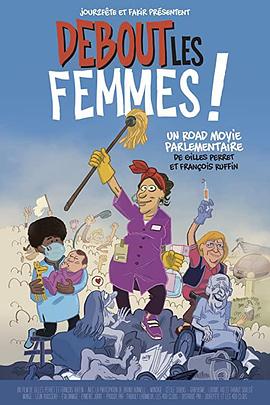
Since the cult success of Merci Patron!, activist/journalist/filmmaker François Ruffin has become an MP. Here, he attempts to table a law aimed at upholding the rights of what in Quebec are known as caregivers, and shows us in passing how a law whose need seems patently obvious is put together, debated, voted on and . . . dies on the battleground of French politics. A stirring documentary about social injustice that somehow manages to make us bust a gut laughing as we rage with indignation. And also cry at the beauty of it all, thanks to the director’s humanist sensibility and a deft play between reality and fiction.
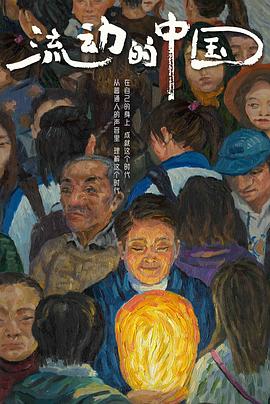
入选国家广播电视总局“十四五”重点选题规划的大型社会观察类纪录片《流动的中国》,将目光聚焦于所有正在奔跑、正在奋斗的国人。如果要为当今的中国画一幅水彩,那么流动应该是它的底色之一。从内陆到沿海,从乡村到城市,从工厂到田间……流动的中国时刻创造着可能和机会。《流动的中国》共4集,分别以“家乡”、“坐标”、“答卷”、“追梦”为主题展现人口的迁移、人与城市的关系、人和时代的联系以及个人梦想的追求等故事,以深入的蹲守式拍摄,讲述普通人的流动故事。