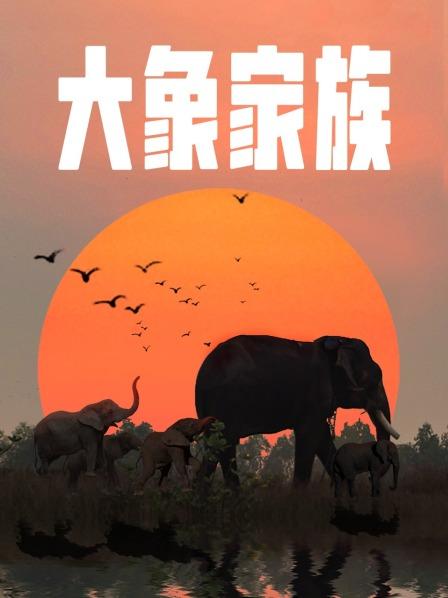
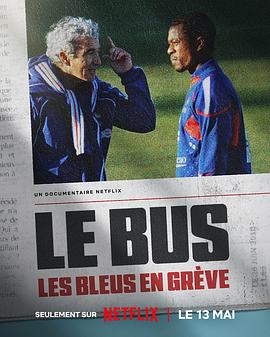
纪录电影《把种子埋进土里》巧妙融合剧情再现与深度纪实采访,以王友的视角揭开福建乡村焕发新生的神秘面纱。影片讲述金翼文化与乡村乐龄学堂携手并进,赋能乡村振兴,展现了中国式现代化背景下福建乡村乐龄学堂的成就和共建美好家园、共创幸福生活的故事。
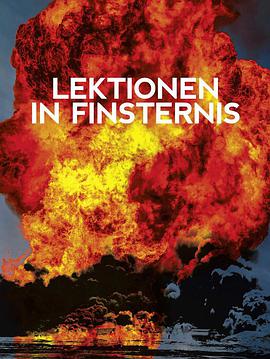
赫尔佐格与1992年与科威特拍摄的第一次海湾战争后的纪录电影。描述了撤退的伊拉克军队点燃油田所带来的生态灾难,与常见的纪录片不同的是此片并没有竖立鲜明的主观的主观立场并未以访谈作为电影的切入点,带给观众的仅仅是美丽的画面和音乐。
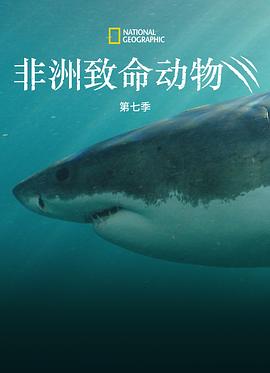
在非洲大陆的生态圈中,强者生存的法则不再适用。在这片残酷的战场上,需要狡猾,力量和才智才能生存。让我们跟随拍摄者的脚步,走进这片非洲大陆,看猎人和被狩猎者如何利用一系列武器,技巧和战术来占得上风,赢得战斗。 第7季 第1集:致命沼泽(Swamps) 第7季 第2集:非洲海洋(Oceans) 第7季 第3集:非洲荒野(Small but Deadly) 解说:Russ Keffert 制作:Lion Mountain Media
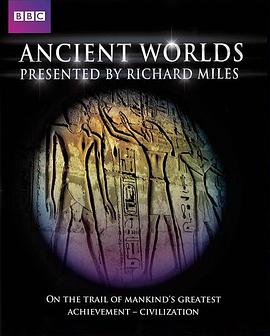
Ancient Worlds is about people and places, politics and economics, art and war, trade and technology, but above all it’s the story of the painful birth and difficult growth of a radical idea first tried and tested some six thousand years ago, and which we are still struggling with today; civilisation. Civilisation has not come easily; it’s something we’ve had to fight hard to achieve, and even harder to maintain, and the greatest threats to it have come from our own talents for destruction. But when we’ve managed to get it right, the benefits have been enormous. When we talk about the ancient world we tend to think of rare and exotic artefacts or the monumental remains of epic architecture; but these are just the empty shells that got left behind when the tide of history turned! The living creatures, the civilisations, that once inhabited these shells were rarely if ever static or stately; they were dynamic, chaotic, and always threatening to spin out of control, because civilisation is based on an improbable idea; that strangers can live and work together in dense urban settings, forging new allegiances that replace the natural ties of family, clan or tribe. It’s an idea we’re still coming to terms with today, but one of the best ways to understand the challenges that are involved is to look at how our ancestors tackled them the first time around. From ancient Iraq to Imperial Rome, Ancient Worlds examines how our ancestors struggled with the levers of religion and politics, art and culture, war and diplomacy, technology and trade in order to keep the complex machinery of their civilisations turning over. Their insights and blind-spots, their breakthroughs and dead ends, their triumphs and disasters are the milestones on the long and winding road that leads directly from their ancient to our modern world.
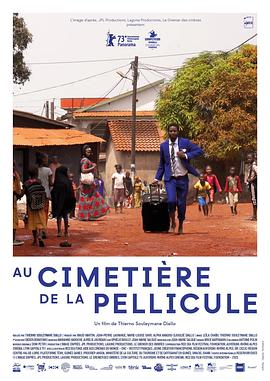
Barefoot roadtrip around Guinea in search of the first film made by a local filmmaker. A charming and cinematic adventure, where the journey and the destination are equally important, and a film about collective memory and porous film reels. Does a film exist if no one has seen it? Guinean film director Thierno Souleymane Diallo goes on a barefoot road trip around his country to find the mythical 1953 film ‘Mouramani’ – the first Guinean film made by a local filmmaker. But it is not easy to find the film or anyone who has seen it for that matter. Some believe it is about the Islamisation of the Mandinka people. Others that it is about the relationship between a dog and its owner. Along the way, Diallo passes old, abandoned cinemas and dusty piles of moisture-damaged film reels. ‘The Cemetery of Cinema’ is a charming, cinematic adventure in which the journey is almost as important as the destination, and where the encounters along the way remind us of the importance of preserving a shared memory and culturel heritage.
是一档聚焦心理情绪的医疗类纪录片,以惧、悲、怒、厌、惑、虑等6种“情绪”为主题,表现处在不同生存境遇下的人,面对工作、情感、升学、就业、教育、爱情、亲情等人生命题时遇到的困惑和痛苦,以及为寻求破茧之路付出的努力。通过细腻充沛的情感、真实的矛盾冲突、跌宕的命运故事,以及专业而科学的解读,力图全面、立体、客观地呈现跟“坏情绪”有关的林林总总。鼓励人们正视自己的情绪,接受并拥抱它们,因为每一种情绪都有其存在的价值和意义。
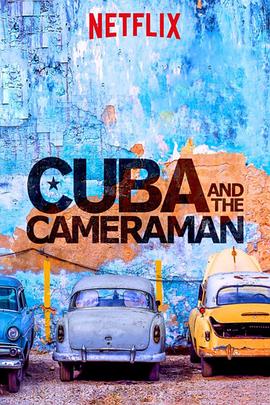
入围第74届威尼斯电影节非竞赛展映单元,已申报2018年奥斯卡最佳长纪录片。两次奥斯卡提名与艾美奖获奖导演Jon Alpert自1972年进入古巴多次,长期纪录菲德尔·卡斯特罗的影像。这部影片对古巴作揭发真相的刻画,描述了菲德尔·卡斯特罗和三个受其政策影响的家庭的过去 。
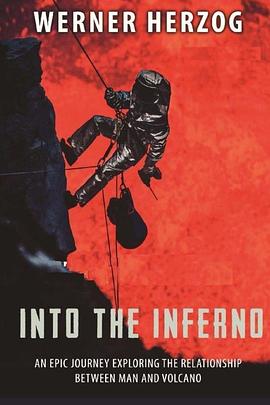
一部探索世界上不同活火山的纪录片。