《中国梵高》讲述世界最大的油画复制工厂 - 深圳大芬油画村的农民画工,在多年复制西方经典油画之后,如何面对现实、对面自我、道德、艺术追求的多重选择。 《中国梵高》记录了大芬画工转型的路途中所遇到的困难、挣扎,绝望与希望,个人理想与现实生活的碰撞与妥协。大芬画工的转型同时映射了21世纪中国从“中国制造”到“中国创造” 转型中的复杂与矛盾,也批判了当代主流艺术圈的排他性,和社会赋予艺术价值的荒诞性。
一段名为《和豚说话的女孩》(The Girl Who Talked to Dolphins)的纪录片将于6月17日在英国广播公司(BBC)播出。 美国研究员霍韦(Margaret Howe)于上世纪60年代参与一项动物实验,尝试教导6岁大的樽鼻海豚彼得(Peter)说英语,希望证实海豚具有如人类般的语言能力。虽然彼得的学习成果有限,却意外爱上了与它朝夕相处的霍韦,编织出一段凄迷的“人豚恋”。 来自美属维尔京群岛的霍韦,在下周播出的英国广播公司(BBC)纪录片讲述这段经历。当年仅23岁的霍韦,于1965年参与着名神经学家利利主持的实验,被安排入住“海豚之家”10周负责教彼得英文,无论用餐、洗澡、睡觉或玩耍都在一起。 彼得仅学会“ball”(球)及“diamond”(钻石)等单字,却对霍韦日久生情。它被霍韦冷落时会“呷醋”,甚至对她展示性欲,多番将自己挤向她的双腿之间,并绕着她不断转圈。霍韦只好安排彼得与另外两条海豚生活来抑制它。 彼得可能感到自己过于热情吓坏了霍韦,变得较为温和;渐渐霍韦亦对它产生情愫。可惜实验后来因经费不足告吹,彼得被移送至迈阿密。与“爱人”分离的彼得或因心碎,数周后闭气沉于池底自杀身亡。
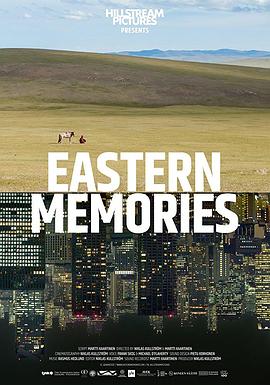
A journey through Mongolia, Japan, China and South Korea, narrated by the journals of Finnish linguist, diplomat and journeyman G.J. Ramstedt (1873-1950).
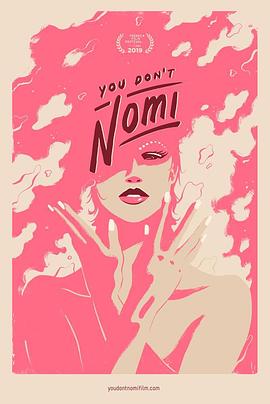
Released in 1995, Paul Verhoeven's Showgirls was met by critics and audiences with near universal derision. You Don't Nomi traces the film's redemptive journey from notorious flop to cult classic, and maybe even masterpiece.
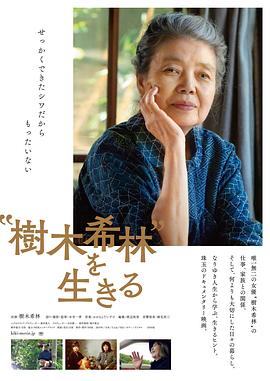
《“樹木希林”を生きる》NHK拍摄的纪录片,从去年6月到今年7月,跟拍了树木希林人生最后的一年,包括《有熊谷守一在的地方》、《小偷家族》、《日日是好日》以及遗作《エリカ38》的片场纪实。
对于老牌泰米尔超级巨星拉金尼坎斯,铁杆粉丝对他不是简单的个人崇拜,而是一种坚定的宗教信仰。
《越战50年》分为七个部分,回顾美国参加越战50周年的个人故事、战斗情况、惨烈后果,反思其对美国的政治和经济方面所带来的巨大打击和影响。' 內容︰ 1. 印度支那到美国参战 (Indochina to U.S. Involvement) 2. 出征 (Boots on the Ground) 3. 战争如炼狱 (War is Hell) 4. 新年攻势 (The Tet Offensive) 5. 战争俘虏 (Prisoners of War) 6. 战争越南化 (Vietnamization) 7. 回顾战争 (The War Remembered)
A look at the life and work of Grammy-winning artist Mary J. Blige.
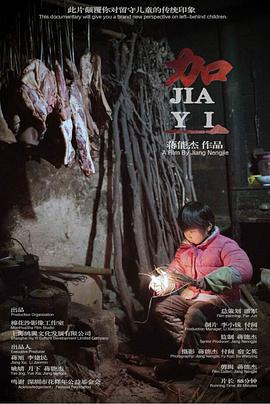
本片 荣获第四届深圳青年影像节纪录片类 最佳创意奖 ,香港中文大学、 第二届中国民族博物馆 永久收藏奖 。 有意想观看的,可联系版权方微信:1714371600 《加一》颠覆大众对留守儿童的固定思维,以独特的视角呈现最真实的留守儿童生活。 加一是一名留守儿童,父母常年在外打工,每次短暂的相聚都会牵动加一幼小 的心灵:长途 跋涉和爷爷去看望在外打工的父母,离别时躺在爸爸腿上静静落泪;春节过后妈妈提前出去打工,没有说再见是因为偷偷躲在被 窝里泣不成声。然而父母离开后生活依然要继续,忍受过难尝的别离滋味后,依然要忘掉烦恼,快乐地和同学玩耍,淘气地逗哭弟弟后又像大人一样哄着他。每天和弟弟徘徊在哭与笑之间,就这样在痛与乐中成长着。 留守儿童并不是“苦逼”的代名词,他们有他们的快乐,有他们的纯真,他们也确实要忍受不一样的孤独和无奈。大时代下的小人物,他们的生存状态是这个时代的特殊印迹。 The documentary, “JIAYI”, adopts a particular position from where it objectively and non-discriminatingly uncovers a real world of these left-behind kids in rural area in China, which overthrows the social stereotyping towards this special group existing in the remote and underdeveloped regions. JiaYi, one of these unattended children, cherished every single reunion with her parents who work as migrant labors: she would travel thousands of miles with her grandfather to visit them lying on her father’s leg and crying silently is her way of resisting saying goodbye Tears flooded her eyes so violently that she didn't says any words when her mother had to leave earlier than planned to start working during the spring festival. However, life goes on no matter they are ready or not. She struggles to survive in the suffering of separation while at the mean time, she must learn to forget this painfulness and pretend to live like a normal kid who enjoys her time in school with peers. She, like a mature adult, can make her younger brother cry and then burst into laughs. Their life is filled with tears and laughter as they grow up happily and toughly. “Sadness” is not supposed to be the first image of these unattended children. Even though they have to withstand the loneliness and desperation that are not normally experienced by their peers, they still have their share of happiness and innocence. They contribute to maybe a minor section of this era but their very existence still leaves marks on this thriving generation filled with variations.