本片改编自吉村昭的小説《雪の花》,以江户时代末期为舞台,讲述了与每几年会大流行一次、夺走许多人生命的天花斗争的民间医生的真实故事:福井藩的医生笠原良策从异国传来了有效的天花预防方法,便向京都的西医日野鼎哉求教,并捐出私人财产将种痘苗带到福井。为了预防法的成功,即使遇到各种困难他也不会放弃。在妻子千穗的支持下,良策继续与流行病作斗争。本片中,通过描写真心想要拯救日本而站起来、不顾自己的利益而感染天花的实际存在的医生的身姿,展示何为生的希望。
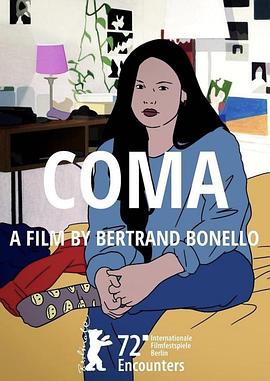
Addressed to her 18-year-old daughter, the film delves into the patchwork psyche of today's young girls, connected to an infinite flow of ubiquitous Youtube tutorials (a formidable “expert” in just about everything and everything. anything, played by Julia Faure), Zoom discussions between girlfriends where we try to decide who is the coolest between Ted Bundy and Jeffrey Dahmer, dollhouses where Barbie and Ken discuss for long minutes on love and its multiple abjections… The film is placed under the auspices of Gilles Deleuze and his conference at La Fémis (“the Dream is a terrible will to power”), which has almost become a pop object in its own right with the internet.
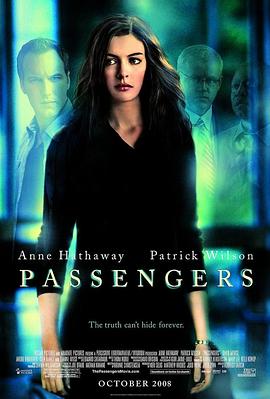
A couple buy a beautiful home in an upper-class neighbourhood where a murder-suicide occurred. However, when strange events begin to happen, they soon suspect their new neighbour may have played a part in the killings.
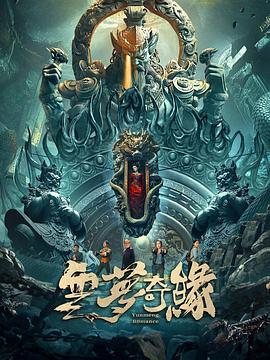
退休的考古教授王华,一直着力于研究山海经中关于战国时期楚襄王与神女瑶姬的传说,传说中埋葬瑶姬的山就在湖北。王华跟女儿王嘉不辞而别,跟同伴前往巫山寻找古墓,竟然失踪不见。迫于无奈,王嘉只好邀请非常神探齐文伙同自己前往巫山,却不料此行危机重重。
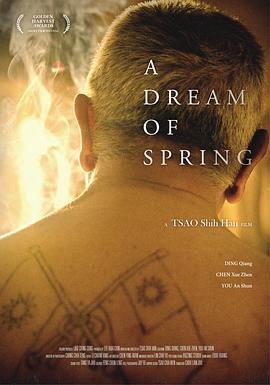
1949年跟著国民党撤退来台的老赵,因为禁婚令一辈子独身,而既是室友也是战友的老冯过世了。人死后不过就是尘土,老冯那一米八的身躯火化之后,就装在不过酒甕大小的骨灰坛里。还活着的老赵也没多快活,他依旧在遗世般不过四坪大小的退伍军舍房里苟活。里长依循老冯遗嘱到退伍军舍收拾遗物,几天后要将老冯的骨灰带去对岸故乡。但执拗的老赵却要里长让老冯留下,再多陪自己一天,只因老赵还想跟老冯这老兄弟叙叙旧。拗不过老赵的里长留下老冯。而老赵与老冯酒过三巡,竟想起两人与流莺阿凤欢快的风花雪月。於是老赵决定带老冯向阿凤道別,并踏上寻求人生最后温暖的一段旅程。