
荣耀六十年
5.0 |04月09日 |HD中字
简介:
Sixty Glorious Years is an exercise in the creation of iconography, both for Victoria and its star, Anna Neagle (who subsequently became known as 'Regal Neagle'). Just as Elizabeth I commissioned artists to create flattering iconic images for public consumption, so this film performs a similar function, for Neagle is more beautiful than the real life Victoria. Controversial events (such as the 'Irish problem') are omitted and unpleasant aspects of Victoria's character (her petulance, arrogance, favouritism and 'right to privilege') are glossed over as endearing little 'whims'. Albert acts as a moderating influence when she goes too far.  The film followed a year after the highly successful Victoria the Great (d. Herbert Wilcox, 1937). Again the screenplay is by Miles Malleson and Robert Vansittart, and many of the supporting cast (the cream of acting talent of period) repeat their roles, this time for the colour cameras. This was the first full length Technicolor film of cinematographer Freddie Young, who captures the spectacle of royal weddings, grand balls and opulent interiors, with scenes actually filmed at royal palaces. Vivid battle scenes, set in Alexander Korda's empire territory (Sevastopol and the Sudan), rival those in The Four Feathers (d. Zoltan Korda 1939).  The title music sets the tone a regal choir sings over a shot of the crown. Elgar's 1901 'Pomp and Circumstance' march is heard during the diamond jubilee celebrations and, as Victoria's coffin lies in state, the film concludes with Anthony Collins' stately music accompanied by the text of Rudyard Kipling's 'Lest we forget'. Combined with the emotional appeal of scenes of Victoria connecting with her 'ordinary folk', this is stirring stuff.  The film connects with contemporary events of 1938. The release of two celebratory royal films was intended to boost public affection for the monarchy in the wake of Edward VIII's abdication. Anglo-German relations were another touchy subject. With another war on the horizon, influential voices wanted appeasement, and the film could be seen to fit that agenda. Victoria herself was of mainly German descent, nicknamed 'the grandmother of Europe', while Albert is a 'good German', charmingly played by Anton Walbrook as a cultured, decent man.  Sixty Glorious Years now seems unduly formal and reverential. Had movies existed during Victoria's reign (they only emerged at the end) this might have been the kind of film produced. Unlike Mrs Brown (d. John Madden, 1997), it is all so very 'Victorian'.  Roger Philip Mellor
猜你喜欢
换一换
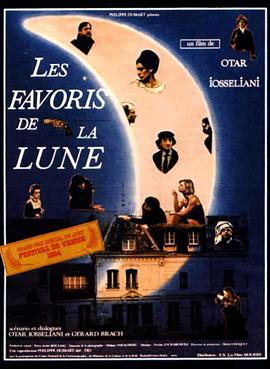
月神的宠儿
858
9.0
HD中字
月神的宠儿
9.0
更新时间:04月13日
主演:卡特娅·卢佩,Alix de Montaigu,François Michel
简介:

  剧情简介
  这是一部散文式的电影,表现的是生命在人群里的心灵孤单,影片通过时空交叉的手法,在看似杂乱无章的情节里以一个枪支经销商、一伙艺术品小偷、一帮疯狂的老男人、一个压抑的警察以及形形色色的怪人因为一幅被盗的19世纪的油画和一个 18 世纪破损的陶瓷餐盘落和入不同人手中的产生的不同故事,带出导演对艺术和生命偶然性的思索,导演让这种戏剧性匆忙了黑色幽默和人性的绝望,有着一种对流逝莫名的伤怀和法国电影特有的艺术情趣。
  幕后花絮
  影片以优雅的弦乐四重奏贯穿全剧和电影里险恶、卑微的人性的产生了鲜明的戏剧冲突。影片开始于18世纪同样结束于这个年代,影片以黑白画面表述18世纪女模特在画室的场景有着关于艺术永恒的追忆,而被砸碎的瓷盘则有着逝者如斯的感怀。影片以跳切手法剪接对观众理清头绪是个考验。
  片子里导演以残垣断壁和马蹄下的碎瓷表明了战争对于艺术的无情践踏和损害。同样抽烟的孩子,争夺出租车的人们这些市井的场面是导演对当下法国人文环境的看法,有些细节十分有意思,那般狂人炸了街心花园后,警察局里按部就班传递公文的滑稽镜头是隐喻性的。同样,枪支经销商和他妻子举办沙龙,两人在客人面前的温文尔雅和客人走后各进各的房间和情人幽会的场面是对中产阶级虚伪假面的批判和辛辣讽刺。导演以寥寥几个划出镜头就已经表现了这类沙龙的造作和乏味,而经典的场景是出现在夫妇俩送客以后,各自回房各自偷欢,所以好的影像是可以通过画面本身说话的。看似凌乱的场面里有着作者对于历史和人生的独到见解。电影隐晦指证了资本主义婚姻的虚假,特别是警察局探长家里自己家孩子一起抽烟的场景有着对次序维护者的疑问,通过这些无人管束的孩子反映着成人世界的隔阂和伪善。同样通过枪械商人家的兴衰反映了人就是历史过客的主题,能够留存的是艺术品本身的价值,而不是艺术品占有者的名声。
  影片情节安排上也是比较巧妙的,孩子们在街头玩耍将玻璃片放在汽车轮胎下为此后追捕时枪械商人的束手就擒形成了必然的联系。影片最后许多主人公因为各种原因被杀了,一方面表示了当代社会的动荡,另一方面又反衬了人是过客的主题。
  影片结尾有着法式的忧伤,那代表着历史传承的老屋被推土机推倒,而黑白影像里前人的优雅只是记忆里的,导演在这部影片以瓷盘和一幅画在不同人手中的轮回,讥讽了人的贪念和偶然性里人的无奈。用一个物件作为线索贯穿整部电影的有很多,比如中国的早期影片《压岁钱》,但是,能够从中读解出深层人文意义的,此片导演的艺术见地无疑是高明的,此片是导演第一部法文影片,它在优雅的姿态下隐喻了生命的逝去…影片以它深刻的人生寓意而获1984年威尼斯电影节特别评审团大奖

2115
1984
月神的宠儿
主演:卡特娅·卢佩,Alix de Montaigu,François Michel
评论区