他乡的童年
6.0 |04月09日 |片长50分钟 |第6集完结 |共6集
简介:
教育,是中国各个阶层共同焦虑的话题,无数家庭穷尽所有把孩子送去国外,都是希望自己的孩子得到更好的教育。身为两个孩子的母亲,常年报道国际新闻的记者周轶君感受到同样的焦虑。轶君走访芬兰、日本、印度、以色列及英国等五个国家,最后回到中国,踏上一趟关于教育哲学的思考之旅。没有竞争的芬兰教育,怎样告诉孩子什么是成功或失败?贫富差距极大的印度,怎样用网络教育弥合孩子之间的差距?集体意识浓厚的日本怎样让孩子理解个人和团队的平衡?影片从小孩的角度去体验课堂,从家长的角度去感受不同的教育方式,也从不同社会的文化、历史出发,去对教育作一个深刻思考。探寻的旅途上,轶君同时回忆起自己的童年,也经历了一次重新审视自身的旅程。
猜你喜欢
换一换
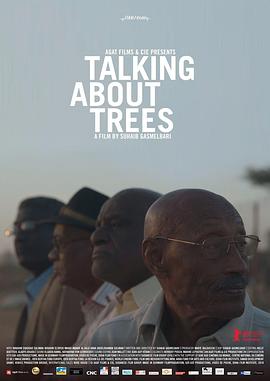
当我们谈论树的时候
466
10.0
HD
当我们谈论树的时候
10.0
更新时间:04月09日
主演:苏莱曼·易卜拉欣,易卜拉欣·沙达德
简介:

  苏利曼和“苏丹电影俱乐部”的另外三名成员决定重振一家旧电影院。他们不仅因为对电影的热爱和对恢复旧电影存量、再次关注苏丹电影历史的强烈渴望而团结在一起,而且因为他们都曾在流放中接受过电影教育。不知疲倦地,他们试图让影院老板站在他们一边,让这个地方重新运作起来,但他们一再发现自己遭到了相当大的阻力。同时,他们坐在一起谈论过去——包括他们作为对立艺术家遭受迫害甚至折磨的经历。他们还朗读流亡和梦想苏丹时写的旧信,在那里艺术和智力思想可以自由。“我们比他们聪明,但不如他们强大,”他们一致总结了他们的处境。正是在这些简洁的时刻,观众才能够感知到友谊,以及在为共同理想而斗争中存在的纽带和意识形态的团结。
  苏哈伊布·加斯梅尔巴里把苏丹电影的历史放在影片的中心,同时也揭示了一个受到持续危机影响的国家的现状
  Suliman and three further members of the ‘Sudanese Film Club’ have decided to revive an old cinema. They are united not only by their love of cinema and their passionate desire to restore old film stock and draw attention to Sudanese film history once more, but also by the fact that they have all enjoyed a film education in exile. Tirelessly, they try to get the cinema’s owners on their side and make the place operational again, but repeatedly find themselves up against considerable resistance. In the meantime, they sit together and talk about the past – including their experiences of persecution and even torture as oppositional artists. They also read out old letters written while in exile and dream of a Sudan in which art and intellectual thought can be free. ‘We are smarter than them, but not as strong,’ is how they unanimously summarise their situation. It is in laconic moments such as these that the viewer is able to perceive the friendship, as well as the bond and ideological solidarity that exists in the struggle for common ideals.
  Suhaib Gasmelbari puts the history of Sudanese cinema at the centre of his film and at the same time sheds light on the current situation in a country shaken by ongoing crises.

30
2019
当我们谈论树的时候
主演:苏莱曼·易卜拉欣,易卜拉欣·沙达德
评论区